
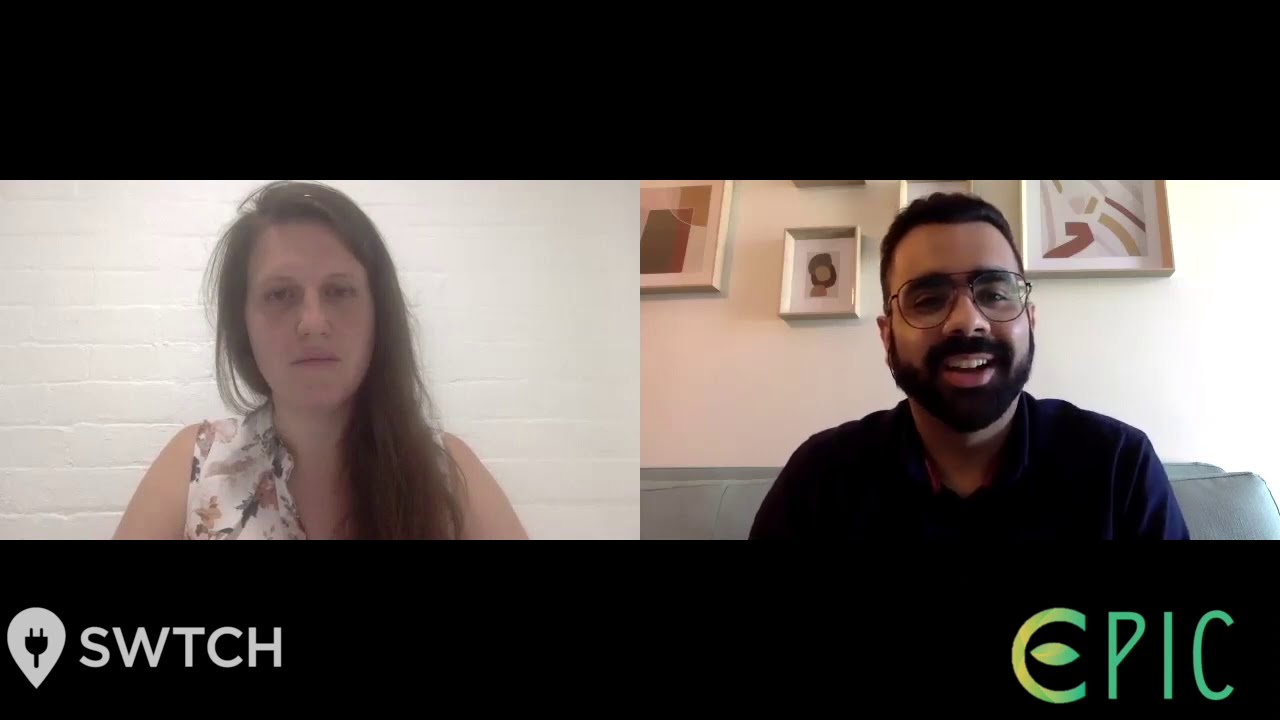
Switching to Success: Laura Bryson & Carter Li's Journey to Illuminating Triumph with SWTCH!
Case study ·
Laura Bryson and Carter Li, co-founders of SWTCH, their determination and innovation have led them to illuminate triumph with their electric vehicle (EV) charging company.
Every success story begins with a journey, and the level of Laura Bryson and Carter Li's trip with SWTCH is no exception. Their creative solution to the problem of urban electric car ownership has earned them success and respect in the sector. This article will provide an overview of their inspiring journey and shed light on their achievements with SWTCH.
The story of Laura Bryson and Carter Li's journey with SWTCH
Laura Bryson and Carter Li, co-founders of SWTCH, embarked on their entrepreneurial journey driven by their own experiences. Living in downtown Toronto condominiums, they faced challenges installing electric vehicle (EV) chargers in multi-family settings. Determined to find a solution, they founded SWTCH to make EV charging more accessible in urban areas.
Recognizing the increasing trend of battery technology improvement and consumer preference for EVs, Laura, and Carter saw an opportunity to create a company that could address the charging infrastructure needs in multi-tenant buildings. Their vision was to establish an open standards approach for developing EV charging infrastructure, ensuring compatibility and accessibility for all EV owners.
With their strong belief in leveling the playing field, Laura and Carter focused on reducing barriers to EV charging infrastructure in multi-family settings. They specialized in offering features and approaches that overcame financial and technical obstacles to make EV charging more feasible and affordable for individuals and businesses.
Along their journey, Laura and Carter also emphasized the importance of education. They recognized that many property managers and condo boards needed more knowledge about EVs and charging infrastructure. Therefore, SWTCH took on the role of educating these stakeholders to help them make informed decisions about implementing charging stations.
Laura Bryson and Carter Li have successfully built SWTCH into a leading turnkey EV charging and energy management solutions provider through their relentless dedication and unwavering commitment to their mission. Their open standards approach and focus on reducing barriers have made EV charging more accessible and convenient for urban dwellers, ultimately contributing to the widespread adoption of electric vehicles.
The journey of Laura Bryson and Carter Li with SWTCH is a true testament to their determination and innovative thinking. By addressing the challenges of urban EV ownership and making charging infrastructure more accessible, They have significantly influenced how sustainable transportation will develop.
The Beginning of SWTCH
Switching to electric vehicles is becoming more popular as people become more conscious about the environment and look for sustainable transportation options. However, one of the challenges electric vehicle owners face is finding convenient and accessible charging solutions, especially in multi-tenant buildings. This is where SWTCH comes in.
Background and inspiration behind starting SWTCH
Innovative startup SWTCH offers turnkey energy management and electric vehicle charging solutions for businesses and individuals. Laura Bryson, the CEO, and Carter Li, the co-founder, founded it. The inspiration behind starting SWTCH came from their personal experience of living in downtown Toronto condominiums and wanting to switch to electric vehicles.
They quickly realized that installing chargers in multi-family settings took a lot of work due to several challenges. They saw this as an opportunity to provide a solution for themselves and others facing the same problem.
Challenges faced in the early stages
Like any startup, SWTCH faced various challenges in the early stages of its journey. One of the biggest challenges was pivoting their original business model to adapt to the new type of customer they were targeting - multi-family settings. This required them to modify their product and make it more suitable for this market.
Additionally, they had to overcome financial and technical barriers in setting up charging infrastructure in multi-tenant buildings. Education also played a crucial role as they had to educate property managers and condo boards about the benefits of electric vehicles and setting infrastructure options.
Despite these challenges, SWTCH has successfully developed its technology, attracted investors, won awards, and expanded its team. They are now at a stage where they are ready to open their premises in Liberty Village in Toronto.
Switching to success requires determination, adaptability, and a passion for sustainability. Laura Bryson and Carter Li have exemplified these qualities by founding SWTCH. With their innovative solutions, SWTCH makes electric vehicle charging more accessible and convenient, paving the way for a greener future.
The Clean Energy Zone Experience
Switching to success is always challenging, especially in the energy industry. But for Laura Bryson and Carter Li, co-founders of SWTCH, their determination and innovation have led them to illuminate triumph with their electric vehicle (EV) charging company.
Joining the Clean Energy Zone and its impact on SWTCH's growth
When Bryson and Li joined the Clean Energy Zone (CEZ), it opened up a new world of opportunities for SWTCH.The CEZ's resources and support greatly aided their development and success. From access to the Ryerson network, including academic researchers and talented students, to connections with potential partners, the CEZ provided SWTCH with an invaluable ecosystem for development.
The CEZ also provided SWTCH with a physical space they could call home for two years. This allowed them to test their ideas, adapt their business model, and commercialize their product. With the help of the CEZ, SWTCH was able to secure customers, generate revenue, and receive demonstration grants, propelling them further on their path to success.
Benefits of being part of the Ryerson network
Being part of the Ryerson network has proven to be instrumental in SWTCH's journey. By tapping into the expertise and resources available, Bryson and Li were able to overcome challenges and take advantage of opportunities that came their way.
The academic researchers within the Ryerson network provided valuable insights, while the talent pool of students allowed SWTCH to recruit skilled individuals who became integral parts of their team. Additionally, being affiliated with Ryerson opened doors to capital funding through awards and grants, helping SWTCH accelerate its growth.
As Bryson reflects on their time at the CEZ and within the Ryerson network, she expresses gratitude for the support they received. The connections made with other startups in the CEZ created a supportive community where ideas could be shared, partnerships could be formed, and challenges could be overcome.
The Clean Energy Zone experience and affiliation with the Ryerson network have transformed SWTCH. It has provided them with the platform, resources, and support needed to navigate the competitive energy industry successfully. Bryson and Li's journey to illuminate triumph inspires aspiring clean energy entrepreneurs.
Evolving and Pivoting
Adapting the business model and product offerings
Laura Bryson and Carter Li, the dynamic co-founders of SWTCH, have successfully navigated the challenging landscape of the electric vehicle (EV) industry by continuously evolving and pivoting their business models and product offerings.
SWTCH initially started with a vision to solve the challenges of urban EV ownership. With battery technology improving and consumer preferences shifting towards electric vehicles, Bryson and Li recognized the need for accessible and convenient charging infrastructure in multi-family settings.
However, they soon realized that more than simply providing charging stations was needed. They needed to go beyond infrastructure and offer a comprehensive solution that addressed the unique needs of property managers and residents. This led them to pivot their business model to focus on turnkey EV charging and energy management solutions for businesses and individuals.
Commercialization and securing customers and revenue
Commercializing their product and securing customers and revenue were critical milestones in SWTCH's journey to success. Bryson and Li understood the importance of building trust and credibility within the industry. They focused on collaborating with key stakeholders, such as property managers, condominium boards, and utilities, to educate them about EV charging infrastructure and its benefits.
To accelerate customer adoption, SWTCH adopted an open standards approach towards developing their EV charging infrastructure, ensuring compatibility with different EV models. This approach not only increased accessibility but also strengthened its position as a leading provider in the market.
By understanding their customers' pain points, SWTCH tailored their product offerings to meet their specific needs. They provided customized solutions, including integrated energy management systems that optimized energy usage for both residential and commercial properties.
This customer-centric approach and unwavering commitment to quality and reliability helped SWTCH secure partnerships with notable organizations such as Tesla Canada.
Through their persistence, adaptability, and focus on delivering exceptional customer experiences, Laura Bryson and Carter Li have transformed SWTCH into a trailblazing company within the EV industry. Their journey exemplifies the importance of continuous evolution, pivoting when necessary, and putting customers at the forefront of business decisions.
SWTCH is a shining example of how entrepreneurship and innovation can contribute to a sustainable future, one EV charge at a time.
Outgrowing the Clean Energy Zone
Laura Bryson and Carter Li, the co-founders of SWTCH, have had an incredible journey over the past two years. Starting as a promising startup in the Clean Energy Zone, they have reached a point where they need more space and testing facilities to take their electric vehicle charging company to the next level.
Need for more space and testing facilities.
With a team of seven full-time staff members, SWTCH has seen rapid growth and success during its time at the Clean Energy Zone. However, their testing processes require a physical electric vehicle charger, which they can only have at their standalone premises. Moving to a new office will enable them to make their testing more effective and efficient.
Moving to standalone premises in Liberty Village
SWTCH is now positioned to open its standalone Liberty Village, Toronto premises. This move will provide them with the much-needed space to accommodate their growing team and testing requirements. It will also allow them to install a charger for better testing and product development.
Laura Bryson believes this expansion will enable SWTCH to serve even more customers in multi-tenant settings like condos and apartments. They aim to provide EV charging infrastructure for personal use and shared environments, such as visitor parking areas.
Additionally, SWTCH is involved in various demonstration projects with companies like Opus One Solutions, further showcasing their commitment to providing holistic solutions.
Laura Bryson and Carter Li's journey with SWTCH has been impressive. From humble beginnings at the Clean Energy Zone to outgrowing the space and moving towards standalone premises, SWTCH is poised for even greater success in the future. Their commitment to solving the challenges of urban electric vehicle ownership sets them apart in the industry, and their focus on innovation and customer satisfaction continues to drive their growth.
Future Plans and Expansion
SWTCH's vision for the future
Laura Bryson and Carter Li, the dynamic duo behind SWTCH, have big plans for the future. They aim to expand their reach and make electric vehicle ownership accessible for everyone, especially in multi-tenant buildings.
One of their main goals is to increase the number of charging stations they have on the ground. They are working tirelessly to double their charger base within the next 6 to 8 months. They will be able to meet the rising need for infrastructure for electric vehicle charging by doing this throughout Ontario, British Columbia, Alberta, and even the northeastern United States.
However, their focus is on more than quantity but also on quality. Laura and Carter prioritize customer satisfaction and aim to keep EV owners happy with their products. They actively listen to feedback from end users and incorporate it into their solutions. This way, they can continuously improve their offerings and ensure a seamless experience for all customers.
Moreover, SWTCH is also exploring the world of fast charging. While they started as a software company focusing on Level 2 home chargers, they have expanded to include fast charging stations in British Columbia and Ontario. This expansion allows them to cater to EV owners who require speedier charging options.
Overall, SWTCH's plans revolve around growth and innovation. They are determined to stay at the forefront of the EV charging industry by providing reliable and efficient solutions for both property managers and EV owners. With their open standards approach and in-depth understanding of multi-tenant buildings, Laura and Carter are well-positioned to succeed in illuminating triumph with SWTCH!
Details
- Category
- Electronics
- Business Type
- Manufacturing