
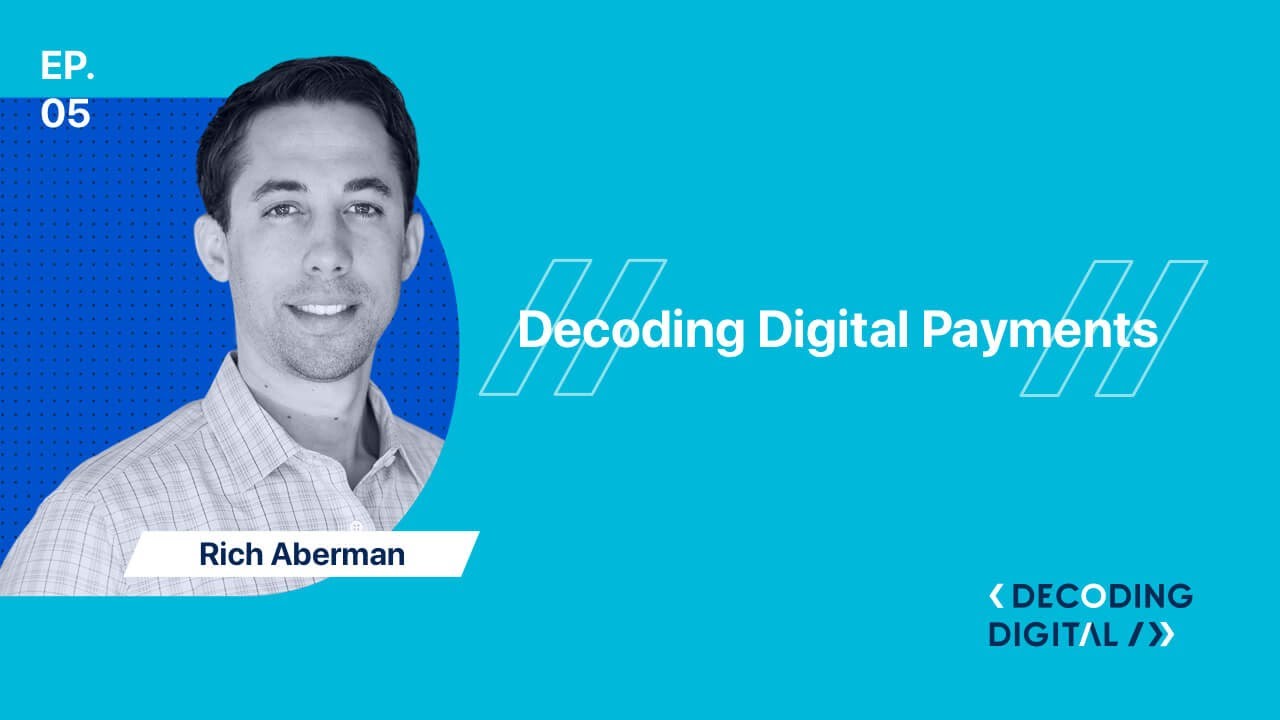
WePay Co-Founder Rich Aberman: Shaking Up the Digital Banking Landscape with Disruptive Innovation!
Case study ·
WePay is a payment processing startup making waves in the digital banking landscape with its disruptive innovation. Co-founder Rich Aberman has played a crucial role in shaking up the industry
Introduction
WePay is a payment processing startup making waves in the digital banking landscape with its disruptive innovation. Co-founder Rich Aberman has played a crucial role in shaking up the industry and redefining how banking services are delivered.
Overview of WePay Co-Founder Rich Aberman
Rich Aberman is a visionary entrepreneur who co-founded WePay with Bill Clerico in 2008. The company started as a simple money-sharing app but quickly became a payment processing platform. Aberman and Clerico realized that managing the movement of money was the core aspect of their platform, and they took an active role in delivering a seamless payment experience.
Aberman's approach to entrepreneurship can be classified as that of a scrappy pathfinder. He stays close to customers and the market, constantly refining and reinventing WePay's offerings to find the sweet spot. This mindset has allowed him to identify opportunities for growth and pivot the company's focus when necessary.
The Importance of Disruptive Innovation in the Digital Banking Landscape
Disruptive innovation is crucial in the digital banking landscape, where technologically adept entrants are challenging traditional banks and credit unions. WePay's success story exemplifies how disruptive innovation can lead to significant growth and market dominance.
By partnering with third-party platforms like Freshbooks and GoFundMe, WePay was able to tap into new markets and expand its revenue streams. This channel business became the driving force behind WePay's success, prompting Aberman and Clerico to boldly decide to retire their direct business.
The ability to recognize opportunities for disruptive innovation and act on them is what sets companies like WePay apart. In a constantly evolving industry, embracing change, taking risks, and disrupting oneself are essential for long-term success.
WePay co-founder Rich Aberman's journey and his commitment to disruptive innovation have significantly impacted the digital banking landscape. His ability to pivot and adapt to market demands has allowed WePay to thrive and redefine how payments are processed in the industry.
Early Days of WePay
How WePay was Founded
WePay, a disruptive player in the digital banking landscape, was founded by Rich Aberman and Bill Clerico in 2008. The idea for the company came about when Aberman and Clerico were frustrated with the hassle of collecting money from friends for group purchases. They saw an opportunity to create a smarter way to manage these transactions and set out to build WePay.
The Initial Vision and Challenges Faced
The initial vision of WePay was to provide a platform that would make payments and buying things online easier and more efficient. However, they faced several challenges in their early days. One of the biggest hurdles was competing with established players like PayPal, who already had a sizable consumer base and a strong brand presence.
To differentiate itself, WePay offered a more appealing design, an expedited set-up process, and better customer service. They also leveraged partnerships with Facebook and targeted small organizations, fundraisers, and student clubs as their primary customers.
Despite the challenges, WePay experienced significant growth and success. Their site has helped nearly 25,000 charitable causes raise money, and their online tools have been used on 900 college campuses. The company has raised $9 million from venture capitalists and angel investors, allowing them to expand their team and invest in product upgrades.
Looking ahead, WePay has plans to launch mobile applications and new software tools that will further enhance its payment processing capabilities. They aim to challenge established players like PayPal and establish themselves as a leading player in the e-commerce space.
WePay's disruptive innovation has shaken up the digital banking landscape by providing a user-friendly platform that simplifies payments and enables businesses to thrive online.
Shifting Focus to Channel Business
WePay co-founder Rich Aberman has been making waves in the digital banking landscape with his disruptive innovation. Recognizing the potential in partnering with third-party platforms, Aberman strategically decided to transition away from the direct business and focus on channel business.
The Realization of the Potential in Partnering with Third-Party Platforms
Aberman and his team at WePay saw an opportunity to leverage the power of third-party platforms to reach a wider audience and provide a seamless payment experience. By integrating their payment processing capabilities directly into these platforms, WePay was able to offer a frictionless payment experience for both merchants and customers.
This shift allowed WePay to tap into the existing customer base of these platforms, increasing their reach and driving growth. It also enabled them to provide value-added services and solutions that complemented the platform's offerings, creating a win-win situation for all parties involved.
The Decision to Transition Away from the Direct Business
Recognizing the potential of the channel business model, Aberman made the strategic decision to transition away from the direct business. This shift allowed WePay to focus its resources on building strong partnerships with third-party platforms and providing them with the tools and technology needed to enhance their payment capabilities.
By aligning themselves with these platforms, WePay positioned themselves as a trusted and reliable payment partner, driving customer loyalty and satisfaction. This shift also allowed them to consistently innovate and adjust to shifting market trends in order to stay ahead of the competition.
WePay co-founder Rich Aberman has been shaking up the digital banking landscape with his disruptive innovation. By shifting its focus to channel business and partnering with third-party platforms, WePay has been successful in reaching a larger audience, offering a seamless payment experience, and promoting industry growth.
The Rise of the API
The Development and Success of WePay's API
WePay, a payment processing startup founded by Rich Aberman and Bill Clerico, experienced a significant shift in their business strategy that propelled them to success. The company initially started as a simple money-sharing app, but as it evolved, it realized the core piece of its platform was the movement of money. This realization led them to develop an Application Programming Interface (API) that allowed them to partner with third-party platforms like Freshbooks and GoFundMe.
The success of WePay's API was unexpected but transformative. By 2014, it represented over half of WePay's revenue and had the potential to surpass its direct-to-merchant business. Recognizing this opportunity, Aberman and Clerico boldly decided to shift their company's focus entirely to the API.
How the API Became a Game-Changer in the Industry
The decision to focus on the API proved to be a game-changer for WePay. It allowed them to tap into a larger market and establish partnerships with popular platforms, expanding their reach and customer base. Integrating their seamless payment processing capabilities into these platforms, WePay made it easier for small businesses, organizations, and nonprofits to accept online credit card payments.
The API also gave WePay a competitive advantage in the digital banking landscape. It allowed them to offer a more streamlined and convenient payment experience for both merchants and customers. By leveraging technology and innovation, WePay disrupted traditional banking methods and paved the way for new possibilities in the industry.
WePay's success story highlights the power of embracing change and adapting to market demands. Through their API, they were able to revolutionize the digital banking landscape and position themselves as leaders in the industry. This serves as an inspiration for entrepreneurs looking to disrupt existing markets and create innovative solutions.
Impact on the Digital Banking Landscape
WePay Co-Founder Rich Aberman has been making waves in the digital banking industry with his disruptive innovation. Aberman is shaking up the traditional banking landscape by redefining how payments are processed and managed.
The Disruptive Nature of WePay's Innovation
WePay's innovative approach to payments has disrupted the traditional banking industry. By providing a platform enabling seamless transactions between buyers and sellers, WePay has revolutionized how businesses handle payments. Their focus on simplicity and ease of use has made them a favorite among merchants and consumers.
Aberman's vision for WePay is to make payments as easy as possible for all parties involved. By incorporating the payment methods and services that their partners need, WePay ensures that businesses can focus on growing and managing their operations without worrying about the complexities of payments.
Changes in the Banking Industry due to Digital Payments
Digital payments have brought about significant changes in the banking industry. Fintech companies like WePay is currently posing fierce competition to traditional banks, which are able to offer more innovative and efficient payment solutions.
With digital payments becoming increasingly popular, consumers demand solutions for payments that are quicker, more practical, and more secure. This has forced traditional banks to adapt and invest in digital technologies to meet customer expectations.
As digital payments continue to transform, it is clear that the banking industry will undergo further transformation. The success of companies like WePay demonstrates that disruptive innovation is reshaping the way businesses and consumers interact with financial services.
WePay Co-Founder Rich Aberman's disruptive innovation is having a profound impact on the digital banking landscape. By redefining how payments are processed and managed, Aberman is challenging traditional banks and driving change in the industry. As digital payments become more prevalent, banks must embrace innovation.
Success and Growth
The Growth and Expansion of WePay's Channel Business
WePay, a leading online payment service provider, has grown and achieved tremendous success recently. One of the key factors contributing to this success is the expansion of WePay's channel business. By partnering with various platforms and marketplaces, WePay has tapped into new customer segments and increased its reach.
Through its channel partners, WePay can offer its payment services to various businesses and industries. This includes e-commerce platforms, crowdfunding websites, and event management platforms. By integrating WePay's payment solutions into their platforms, these partners can provide their customers with a seamless and secure payment experience.
Partnerships and Collaborations with Major Platforms
WePay has also formed strategic partnerships and collaborations with major platforms in the digital banking landscape. These partnerships have allowed WePay to leverage the existing user base and infrastructure of these platforms to expand its reach and offer its payment services to a larger audience.
For example, WePay has partnered with Chase Bank, one of the largest banks in the United States. This partnership allows WePay to offer its payment solutions to Chase's small business customers, providing them with a convenient and integrated payment experience.
In addition to Chase Bank, WePay has collaborated with other major platforms such as GoFundMe and FreshBooks. These collaborations have helped WePay reach new customers and allowed the company to innovate and develop new features and functionalities for its payment solutions.
Overall, WePay's success and growth can be attributed to its focus on expanding its channel business and forming strategic partnerships with major platforms. By doing so, WePay has increased its market presence, reached new customers, and continued innovating in the digital banking landscape.
Lessons Learned
Key Takeaways from WePay's Journey
In the world of digital banking, disruptive innovation is essential for remaining competitive. One company that has successfully shaken up the industry is WePay, co-founded by Rich Aberman. Here are some key lessons learned from WePay's journey:
- Stay close to your customers: WePay's success can be attributed to their ability to refine and reinvent their services based on customer feedback constantly. By staying close to their customers and the market, they could find their sweet spot and create a product that met their needs.
- Be willing to pivot: WePay started as a simple money-sharing app but quickly realized that the core piece of its platform was the movement of money. They boldly decided to shift their focus 100% to their channel business, which turned out to be a game-changer for their company.
Insights on disruptive innovation in the digital banking landscape
WePay's journey provides valuable insights into disruptive innovation in the digital banking landscape:
- Embrace change: In a rapidly evolving industry, banks must embrace change and adapt to new technologies and customer behaviors. Disruptors are well-positioned to serve customers whose behaviors are changing due to events like the COVID-19 pandemic.
- Prioritize business building: According to McKinsey, banks prioritizing business building tend to outperform their peers. Launching new businesses and exploring new markets can lead to significant revenue growth and create value for customers and shareholders.
In conclusion, WePay's journey highlights the importance of staying close to customers, being willing to pivot, and embracing change in the digital banking landscape. By following these lessons, banks can disrupt the disruptors and thrive in an increasingly competitive industry.
Future Outlook
Predictions for the Future of Digital Banking
Given the speed of technological innovation and the rising need for individualized experiences, the future of digital banking looks promising. Here are some predictions for what we can expect:
- Enhanced customer experiences: Banks will continue investing in technologies like AI and ML to provide their customers more personalized and seamless experiences. Chatbots like Erica from Bank of America will become even more sophisticated, offering real-time assistance and tailored recommendations.
- Increased security: As online banking becomes more prevalent, cybersecurity will be a top priority for financial institutions. Advanced analytics and AI will be used to combat fraudulent activities, ensuring the safety of customers' financial information.
- Integration of new technologies: Cashless payments, API advancements, and super-apps will continue to shape the digital banking landscape. Banks will explore innovative ways to integrate these technologies into their platforms, making financial transactions more convenient and efficient.
WePay's Role in Shaping the Industry
As a disruptive innovator in the digital banking space, WePay has played a significant role in shaping the industry. Their innovative payment processing solutions have helped small businesses, organizations, and nonprofits easily accept credit card payments online.
WePay's focus on providing a seamless client experience and leveraging technologies like APIs has set them apart from traditional banking institutions. Their commitment to innovation and customer-centricity has made them a leader in the industry.
WePay will continue to push boundaries and drive innovation in digital banking. By staying close to their customers and constantly refining their offerings, they will play a crucial role in shaping the industry's future.
In conclusion, the future of digital banking looks promising with enhanced customer experiences, increased security measures, and the integration of new technologies. WePay, as a disruptive innovator, will continue to shape the industry and provide innovative solutions for businesses and organizations.
Conclusion
Final Thoughts on Disruptive Innovation in Banking
In the rapidly evolving digital banking world, disruptive innovation is reshaping the industry. As technology advances, new players are entering the market and challenging traditional banks. However, not all innovations can be considered truly disruptive.
According to the Christensen theory, disruptive innovation originates either in the low end of the market or in a new market foothold. Examples of disruptive innovations in banking include digital-only banks and money transfer services that cater to low-end segments and robo-advisors that target individuals seeking investment advice at lower costs.
On the other hand, sustaining innovations need to meet the criteria of being disruptive. These innovations, such as mobile payments and personal financial management tools, are designed to improve existing banking services rather than fundamentally change the industry.
Banks must carefully evaluate new technologies and innovations to stay ahead in this competitive landscape. They must identify which ones have the potential to be truly disruptive and reshape the industry. By embracing these innovations and adapting their business models, banks can position themselves as leaders in the digital banking landscape.
In conclusion, disruptive innovation is transforming the banking industry. While not all innovations can be considered disruptive, banks must stay vigilant and open to change to remain relevant in this digital era. Banks can thrive in an increasingly competitive market by embracing disruptive technologies and adapting their strategies.
Details
- Category
- Payments
- Business Type
- Fintech